
Beauty Influencer Marketing: The Beauty Industry’s Future
Jul 24, 2026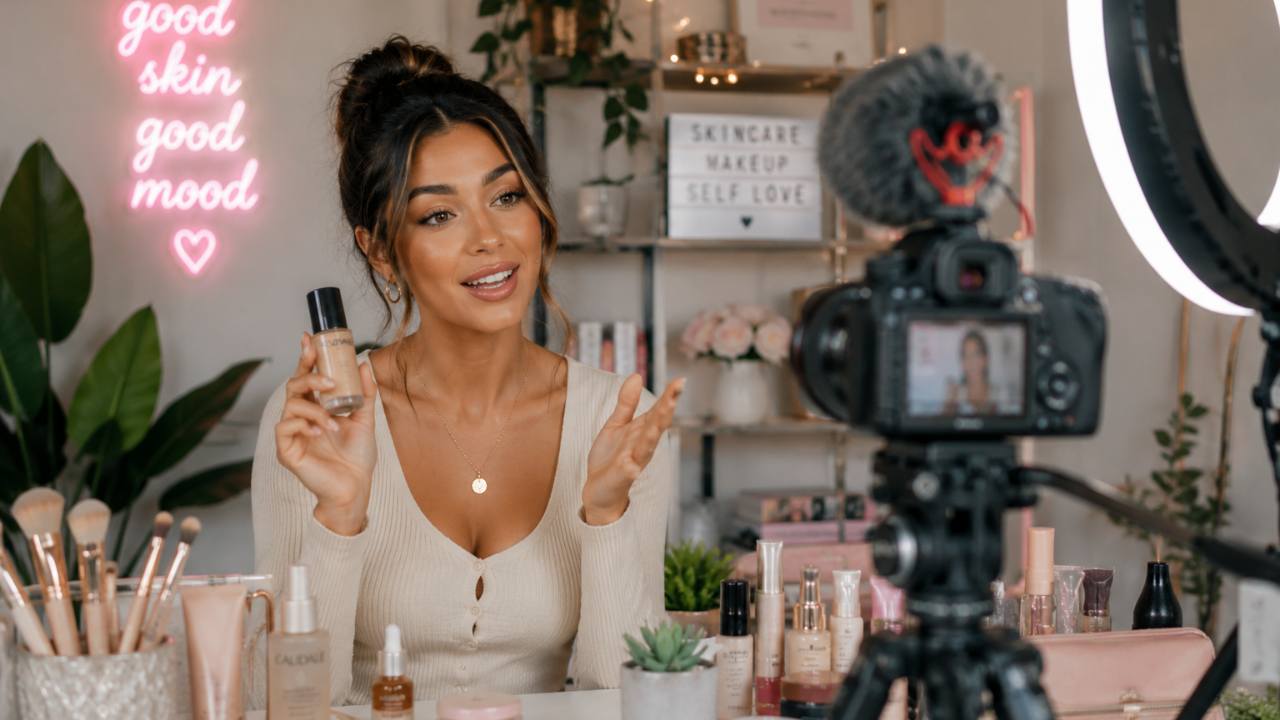
For decades, the beauty industry relied on salons, catalogs, and word-of-mouth to be recognized.
However, times have changed, and now YouTube, Instagram, and TikTok are major factors in recommending beauty products. As social media has continued to evolve, beauty influencer marketing is key in brands building awareness and trust with consumers.
Many people don't feel inspired in today's world to buy products that are advertised in an overly polished and structured way. The authenticity and user-generated content that comes from beauty influencers has become a major factor in building trust between consumers and brands.
What Is Beauty Influencer Marketing?
This is a marketing strategy where brands either partner with influencers who then promote and create content with these brands' products in order for these products to be shown to the public in an authentic way. Many ways brands are able to partner with influencers are through ambassador programs, affiliate partnerships, gifted products, or sponsored posts.
Beauty Influencer Marketing uses user-generated content to show the true results of how products work. This is especially important in the beauty industry since consumers want to see how products perform before making a big purchase.
The Importance of Micro-Influencers In The Beauty Industry
While many consumers do pay attention to celebrity partnerships, brands are investing more and more in micro-influencers. These influencers have between 10,000 and 100,000 followers. Even though they have smaller platforms, they pull stronger engagement rates and have more of a personal relationship with their followers.
Many large brands work with creators of various audience sizes instead of relying on major celebrity endorsements because they are able to reach many audiences within specific niches. Instead of having well-crafted partnerships with celebrities, these beauty micro-influencers are able to show the products authentically as they are and sprinkle them into makeup videos.
Not only is this helpful for large beauty companies, but beauty influencer marketing with micro-influencers also benefits smaller beauty brands who are just getting their foot in the door.
The opportunity to showcase beauty brands, big or small, adds to the relatability and authenticity of using many products from various brands.
How Beauty Influencers Shape Trends
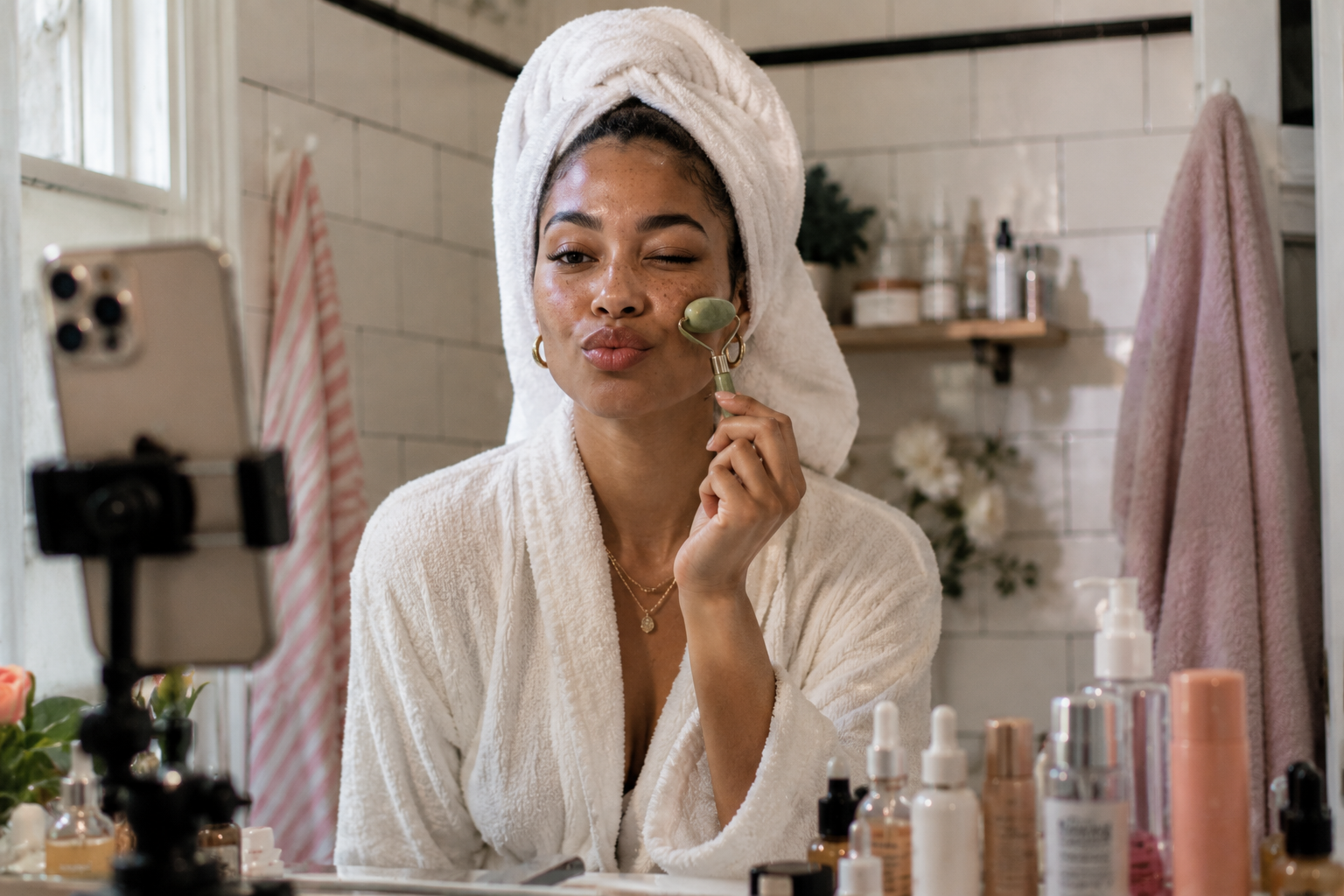
In the past, beauty trends have evolved and shifted, but social media has helped to speed up that process. Nowadays, beauty influencers introduce new products, techniques, etc., that can reach thousands of followers within just a span of minutes.
Beauty trends in recent years have gained the most attention from influencer content. Taking a step into the wellness "era", the "clean girl" look, and "glazed nails" gained visibility on social media before becoming mainstream beauty trends.
Beauty influencer marketing plays a large role as influencers share trends and product recommendations, so that consumers begin to adopt and recreate them on their own. This rapid spread of trends through influencers shows how influential they have become in shaping the preferences of consumers.
Rather than using rigid promotions, beauty influencers have helped define what products are considered desirable and relevant in society through a simple video, which helps to drive sales.
What Makes A Beauty Influencer Campaign Successful?
Not every partnership between an influencer and a brand becomes successful in beauty influencer marketing. There are many marks to hit to have eye-catching content.
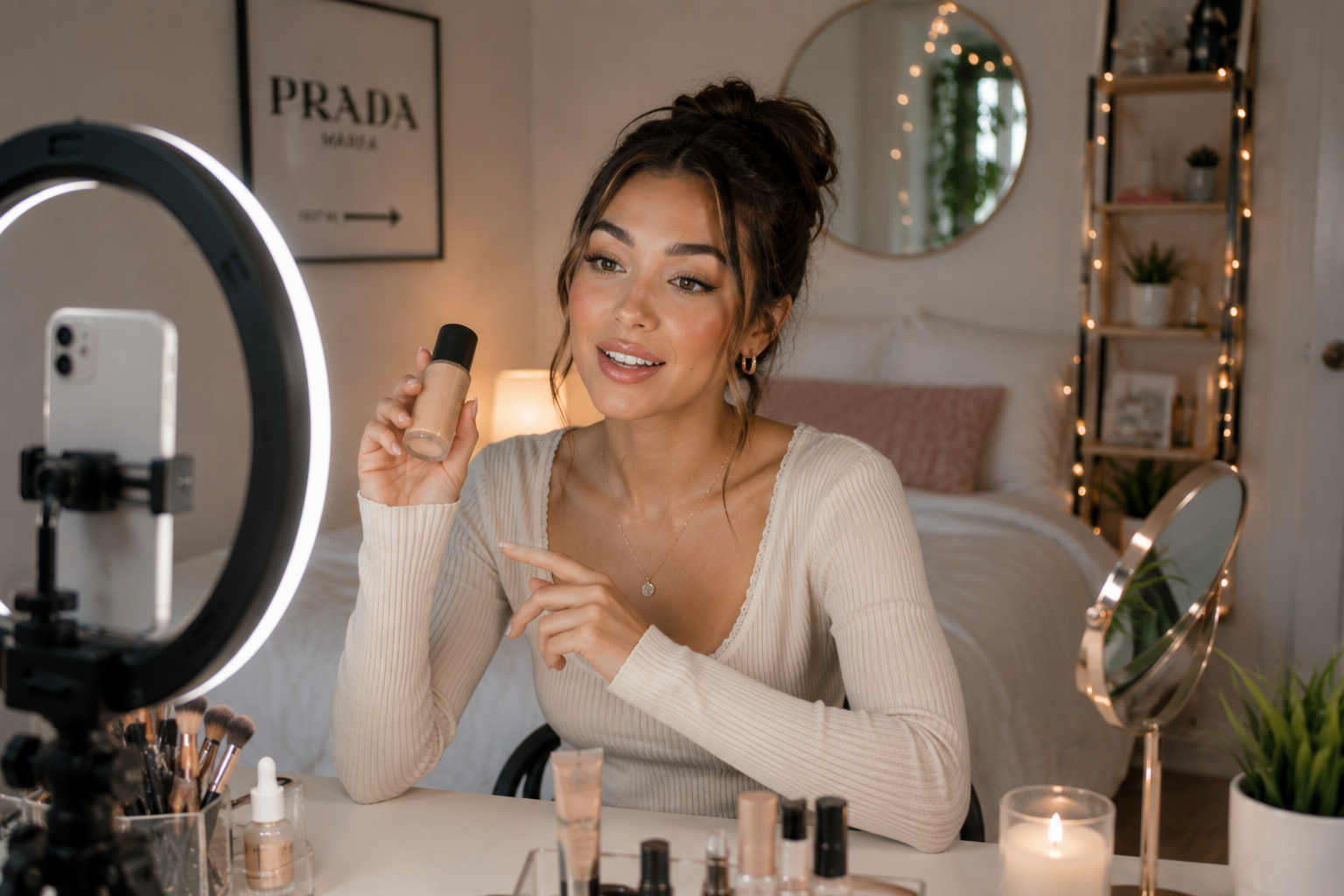
The first and most essential part is that beauty influencers have to be able to align and connect with the brand's target audience. For example, a brand focused on skin health would partner with an influencer who prioritizes their skin health. Specific audiences will pick up if an influencer doesn't fit with a specific brand.
Additionally, authenticity is extremely important in having an authentic partnership and having authentic reviews. If a partnership feels forced, consumers will be able to pick it out and won't feel connected to the influencer or brand. Partnerships will produce better results when influencers are able to maintain their brand voice and content style.
Lastly, long-term brand partnerships tend to perform better and get more exposure rather than posting a one-time video. Many brands do not do this, but repeated exposure helps to build credibility with brands and influencers, as well as making the product recommendations more authentic.
Challenges In Beauty Influencer Marketing
Although marketing in the beauty industry is effective, it also presents many challenges that are key to avoid.
Beauty influencer marketing has taken heat for the lack of transparency in the past. Influencers have to disclose paid partnerships in their posts, which influencers in the past have not done. Similarly, haven't been authentic in promoting products to beauty consumers by lying about the results of a product.
Another challenge that beauty influencers face is influencer fatigue. Consumers are increasingly becoming more aware when beauty influencers have partnership after partnership with brands, which can also affect an influencer's authenticity. Social media is designed to highlight the real parts of people's lives, but it becomes cloudy when an influencer showcases themselves as only working with brands.
However, despite these challenges, beauty influencer marketing continues to be one of the most effective marketing tactics for beauty brands.
The Future Of Beauty Marketing
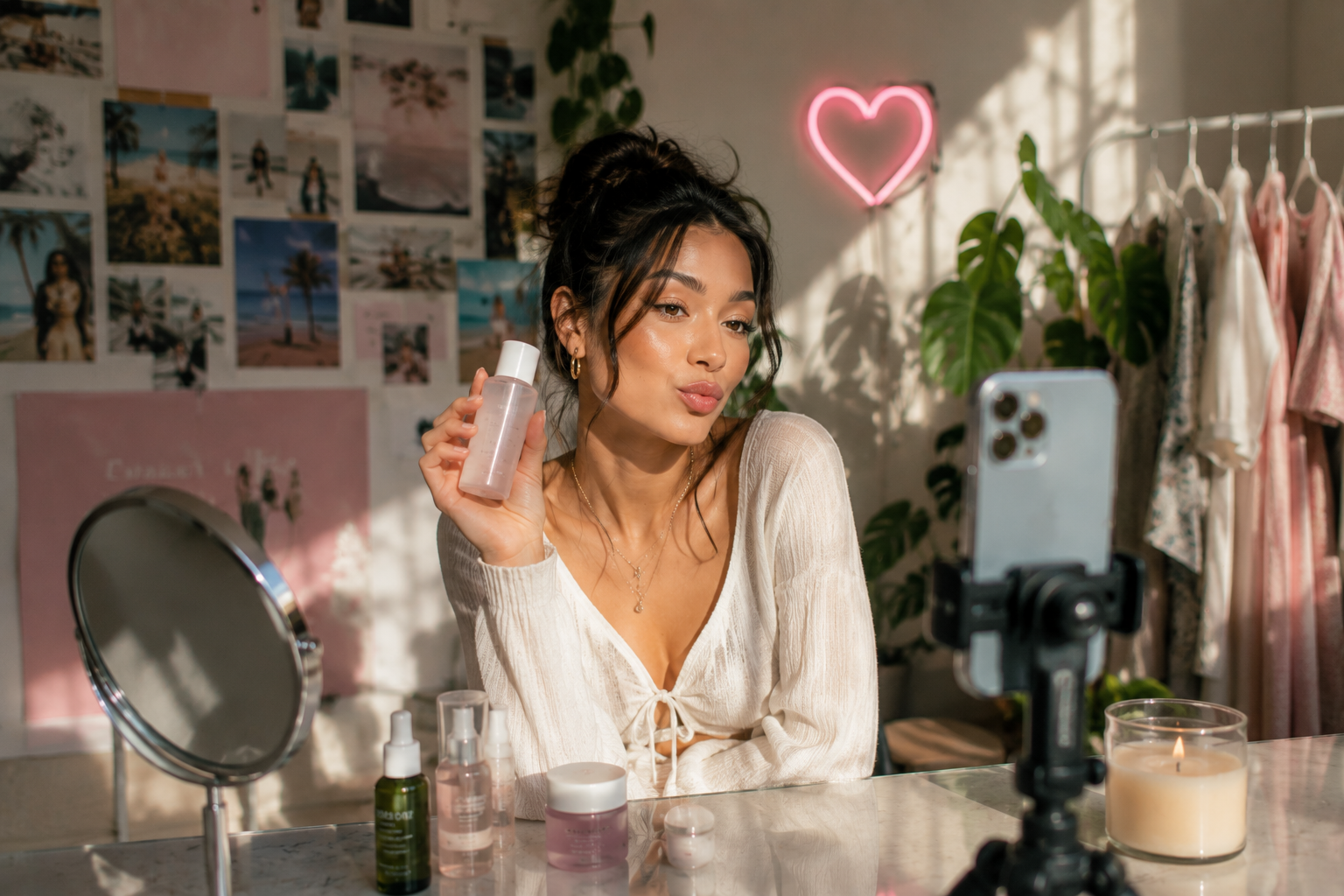
As marketing in the beauty industry progresses, beauty influencer marketing will most likely focus on the authenticity of influencers and building a community with their audience. Social media platforms, e-commerce, and technology will continue to rapidly evolve, and brands will prioritize beauty influencers who can evolve with them while maintaining their authentic platform.
As influencers continue to shape beauty trends and influence consumer preferences, their role in the industry is likely to become even more significant. What began years ago as videos showcasing products and their recommendations has shifted into a powerful marketing strategy that will only grow larger.
Beauty influencer marketing has transformed the way brands connect with consumers by prioritizing authenticity, trust, and relatable content over traditional advertising. From the rise of micro-influencers and user-generated content to the spread of beauty trends on social media, influencers have become an essential part of how consumers discover and purchase products.
While challenges such as influencer fatigue and transparency still remain, brands that build genuine, long-term partnerships with creators are more likely to gain a consumer's trust and drive lasting engagement.
As social media continues to evolve, beauty influencer marketing will only become more important for brands looking to stand out in an increasingly competitive industry. Whether you're a beauty brand looking to expand your reach or a creator hoping to grow your influence, embracing authentic partnerships and meaningful content is the key to long-term success.
🪽 Written by Carolyn Wolujewicz
join 45k marketing girlies
Private Marketing Girly LinkedIn Group
A private community where young women in marketing network, collaborate, and support each other.