
5 Ways New York Fashion Week Brands Create Marketing Moments
Oct 07, 2026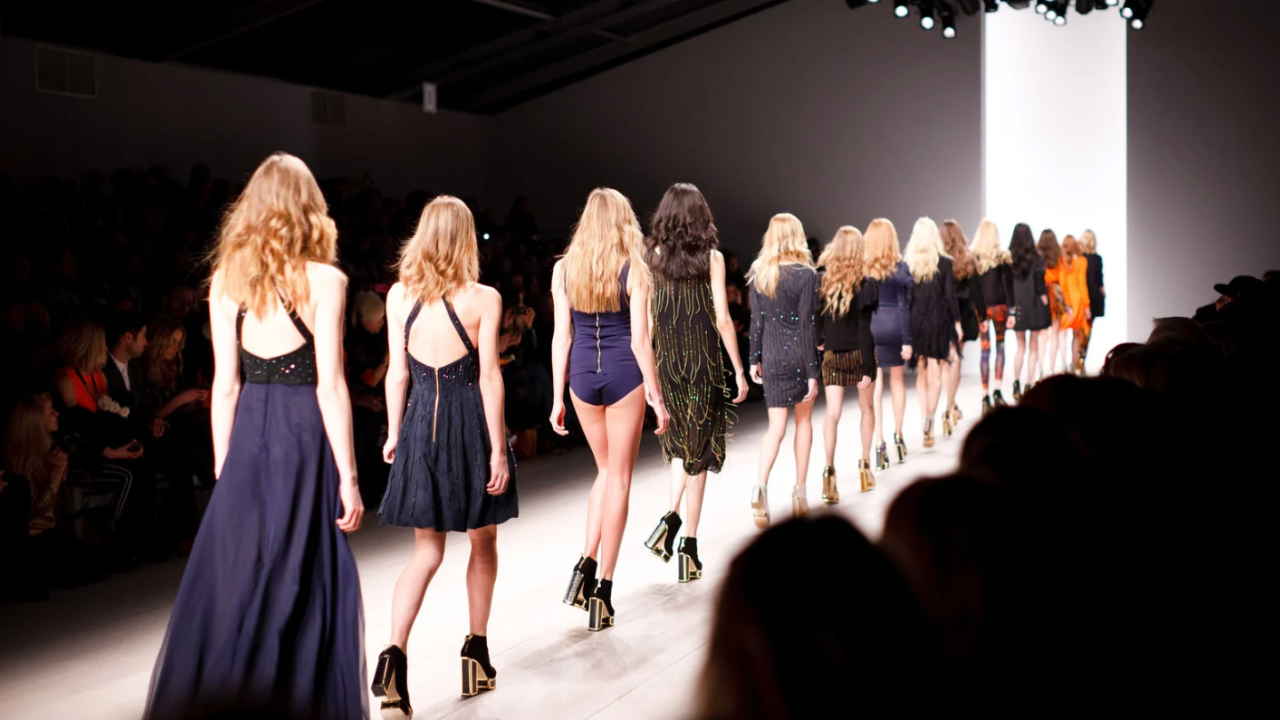
Every year, brands take to New York to showcase their new collections for fashion lovers everywhere.
Over the years, however, the traditional runway show has evolved into something bigger: a buzzworthy moment designed to get people talking.
Influencers have been a vital part of this shift, and it is now easier than ever for New York Fashion Week brands to get their collections and names out there. By inviting certain influencers to different events, they can connect with new audiences in an almost effortless way.
Gone are the days of looking through Vogue and other fashion magazines to see where the trends are headed for the upcoming season. Now, you can see the trends instantly with the click of a few buttons. Brands have had to become more creative with their shows and exhibitions in hopes of attracting the right crowd.
Shows in Unconventional Places
Unconventional venues are not a new concept for New York Fashion Week brands. Over the years, some of the most iconic shows have been held in places other than the traditional event spaces, and this year was no exception. In the past, we have seen Ralph Lauren host in his own garage up in Bedford, NY, Alexander Wang create "Wangfest" in Brooklyn's Bushwick, and Tommy Hilfiger give us the “Tommy Pier” equipped with a full amusement park. These venues get consumer interest high even before the models step out.
This fall, Christian Siriano hosted his polka dot themed collection at Macy’s flagship store. Siriano has a great working relationship with Macy’s as he is the creative director for their I.N.C. ready-to-wear brand and he collaborated with them for the brand's 40th anniversary.
For the show, they kept the actual shopping floor but transformed the store into a runway event by adding cream drapes hanging from and across the ceilings. The simple set up for the show referenced his Marlene Dietrich inspiration and allowed the clothes to speak for themselves.
Unconventional venues allow brands to market differently than other shows who take a more traditional route. By using a different venue, the space itself becomes marketable content rather than just a backdrop. It gives attendees more to talk about than just the clothes and can pull a larger interest from consumers. The venue can create a memorable moment for viewers and allow brands to differentiate themselves during the hectic week.
Installations for the Public to See
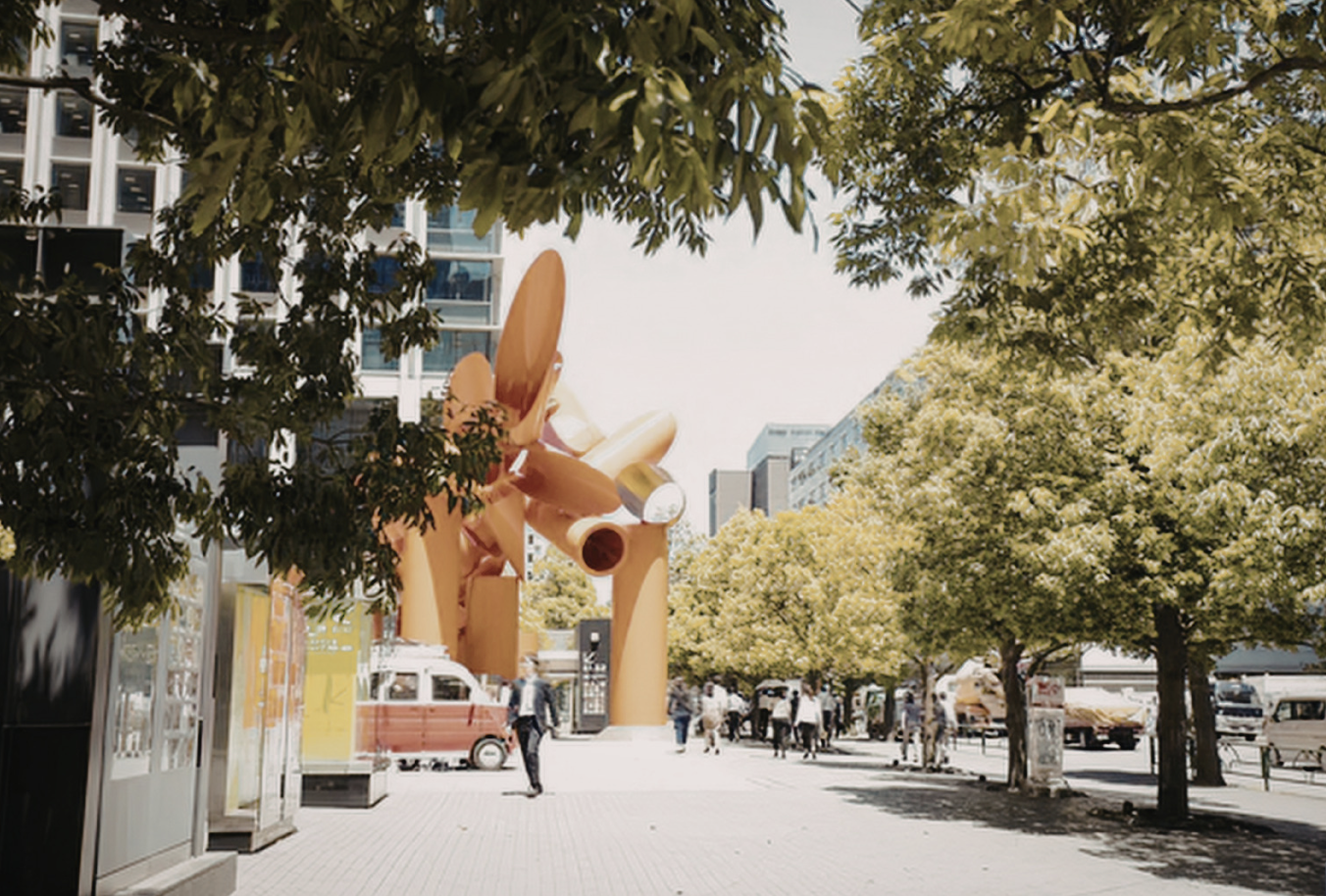
Taking over public landmarks has also been an effective way to market products during this week. With many people visiting the city to attend shows or events, creating something that is open to the public allows New York Fashion Week brands to reach people who may not have had the opportunity to engage with the brand. These installations also give consumers something to talk about that's not just the collection itself. Because of the heavy foot traffic some of these landmarks have, it creates an organic marketing moment for those who just so happen to be walking by.
In 2019, Virgil Abloh turned the Louis Vuitton New York flagship store into a 12-story art installation to showcase their Spring/Summer collection. What is already an iconic address on 5th Avenue, became even more so with the extravagant art piece. The piece was inspired by ‘The Wizard of Oz,’ which was also a reference for the collection. The show stopping piece turned heads and curated new interest for the collection.
This year, Bvlgari created a one-of-a-kind twisted gold statue to represent the Serpenti Infantino. The piece is available to view at New York's High Line above Little West 12th Street. Created in collaboration with Plastique Fantastique, the piece offers a photo-worthy opportunity for the brand. People passing by can quickly grab a picture with the installation and instantly share it with others allowing a great, organic marketing opportunity for Bvlgari.
Pop-Ups and Immersive Experiences to Engage New Audiences
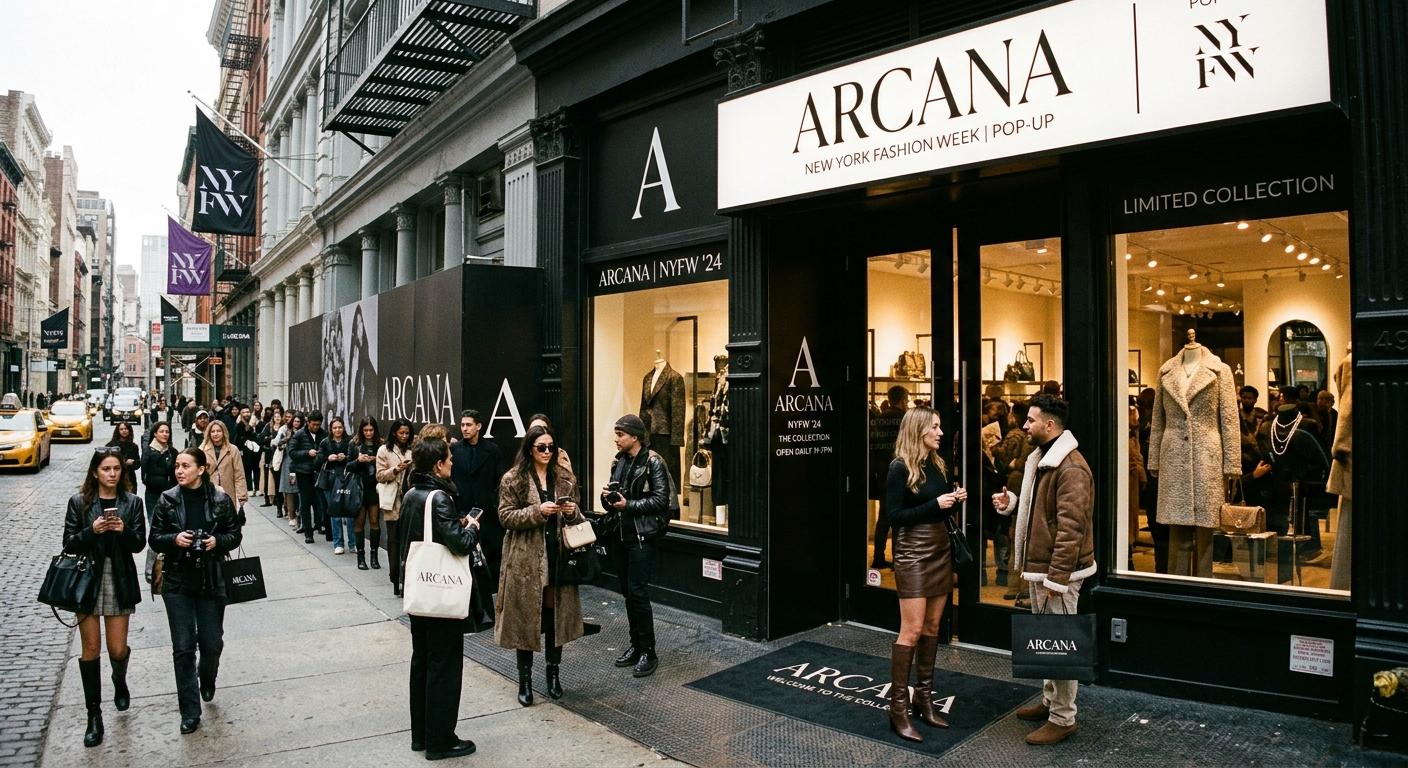
Pop ups can provide a great opportunity for brands who don't have a brick and mortar store. Not all New York Fashion Week brands have store locations, and some just operate from e-commerce sales. Renggli is a contemporary womenswear brand that specializes in upscale basics.
Typically, they operate online only, but by collaborating with Vivrelle for Fashion Week they were able to open a pop up in SoHo. By partnering with the well known luxury handbag rental company, they were able to attract new shoppers and create more brand familiarity.
Pop ups and immersive experiences are commonly used in the age of influencers. This gives viewers the opportunity to actually interact with the brand instead of just watching the shows. They get to see the clothes, try them on, and possibly purchase.
With an immersive experience, they can sell the product on the spot instead of making consumers wait until the product drops. Pop ups are also more inclusive to consumers. Instead of having an invite-only fashion show, brands can connect with everyday consumers and micro-influencers.
Sharing the Brand's Heritage
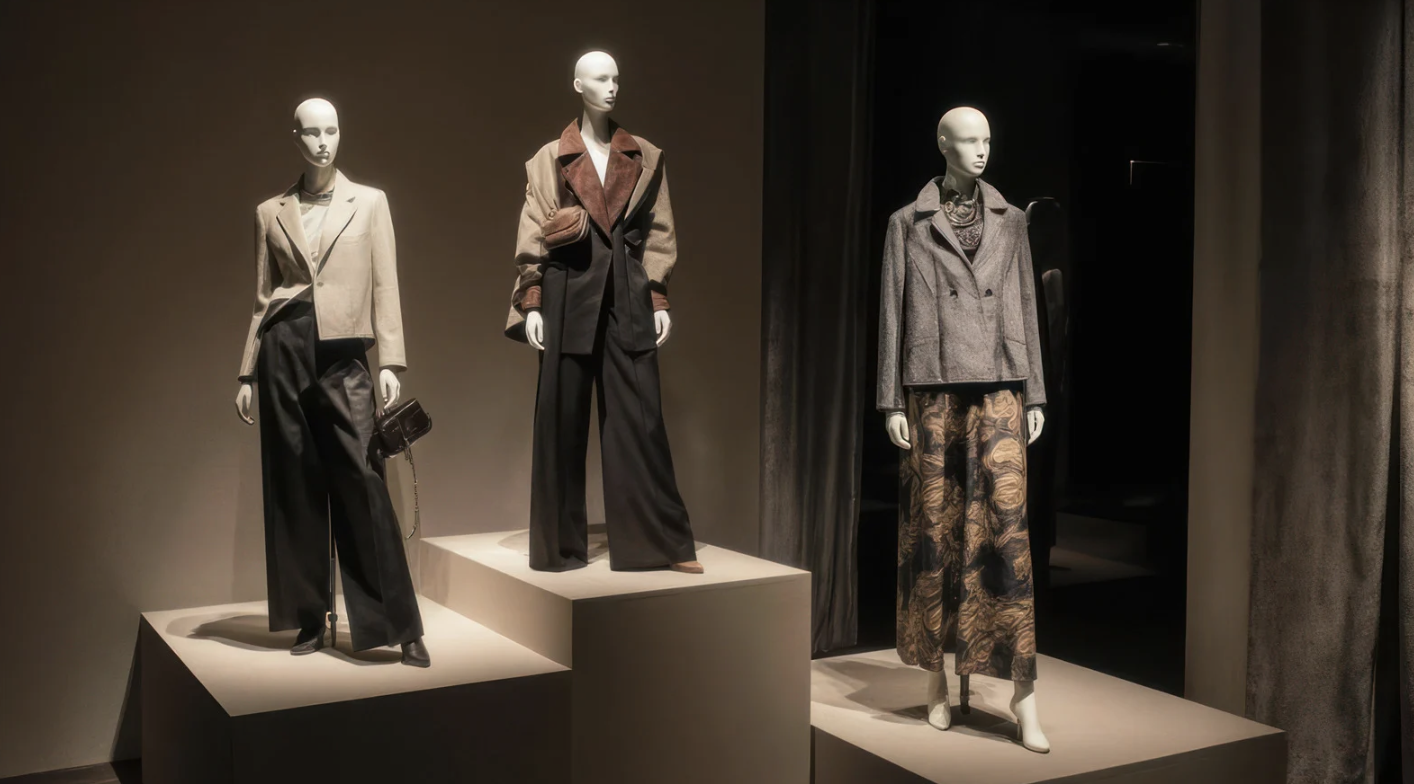
Heritage and history is a major part of all New York Fashion Week brands. This year, several brands took the opportunity to not only share their current collections, but also bring back their archival pieces. Lilly Pulitzer shared a capsule collection labeled “Vintage Vault” that brought archival prints back to life. Their most noteworthy print being Lilly’s Zoo, a jungle-inspired pattern featured in the brand's '70s pieces.
With this, they were able to reintroduce an iconic print and give it a new life for new shoppers to see. Along with their showcase, the event included a gallery style installation that showcased the brand's legacy.
Bringing up the brand's history and sharing more about its heritage allows consumers to build more of an emotional connection with a brand. This allows consumers to feel a part of the brand and legacy. It also differentiates these brands from others. Every brand is sharing new collections with new trends.
Lilly Pulitzer followed that but reimagined their iconic, historical prints to do so. This content is unique to them and their brand, which stands out across the crowd especially with the large volume of content put out during this week. Once again, it gives people something to talk about that is different than the Fashion Week norm.
Mixing Fashion and Tech
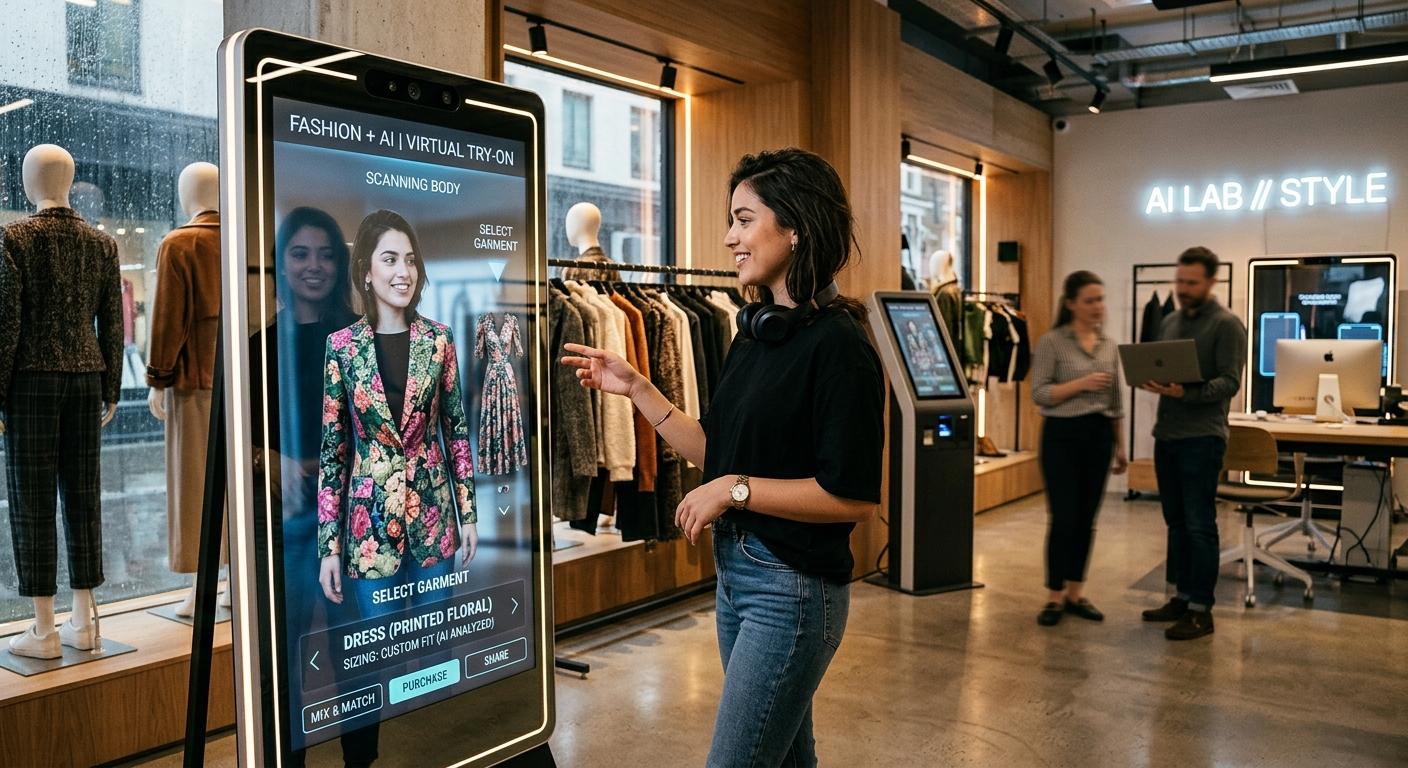
One newer trend that we have been seeing at Fashion Week has been the introduction of tech. With the technologically advanced world that we live in, it is only natural that it would be adopted by the fashion industry.
L’Agence paired up with Google to create an AI-powered closet try-on, which shows how clothing would look on you. While this is a newer development, it will be interesting to see how New York Fashion Week brands build on it going forward.
Overall, New York Fashion Week is an exciting time for brands to showcase not only their new collections but also what makes their brand so special.
There are so many different ways to share this regularly, but taking advantage of a time where all eyes are on New York can create the exact kind of visibility a brand needs. Make sure to keep an eye out this February to see what brands do to show off their Fall/Winter collections.
🪽 Written by Katherine Lynch
join 50k marketing girlies
Private Marketing Girly LinkedIn Group
A private community where young women in marketing network, collaborate, and support each other.