
5 Ways Music Digital Marketing is an Industry Essential
May 29, 2026
The music industry has experienced a major transformation due to the digital age.
Artists and labels now rely on online platforms and digital promotion to reach audiences and grow their streamer base.
Streaming platforms have become the primary outlet for music lovers, offering a range of promotional tools for artists to market their music directly to listeners. At the same time, artists use social media platforms to promote new releases, build their brand, and cultivate strong relationships with their fans.
As digital platforms continue to shift the way music is consumed and promoted to listeners, digital marketing plays a major role in turning songs into viral hits.
The intersection of music and digital marketing is now a defining element within the modern music industry.
The Power of Music Digital Marketing
The music industry relies on digital marketing to amplify a musician's work in the saturated market. It cultivates genuine relationships between artists and fanbases through social media platforms, interactive advertisements, and live events.
The rise of social media and streaming platforms offers musicians exclusive advertising opportunities. It helps artists get discovered worldwide and promotes artists' music so that it can be heard by a large number of listeners.
Here are 5 ways music digital marketing has become fundamental to the music industry:
1. Brand Identity and Online Visibility
Musicians must create strong brands to communicate the personal story that they want to share through music. Artists need to find ways to get identified by listeners in the oversaturated market.
It's important to keep a consistent brand image to help fans easily recognize a musician's content and leverage an artist's experience over time. A musician's brand sets expectations for their sound, style, and content.
The relationship between a musician and marketing relies on their constant online presence and the development of their fanbase. Artists are free to experiment with different marketing strategies to see what interests their fanbase the most.
One of the most important aspects of music digital marketing is to be authentic and to show true passion through music. The best way to do this is by implementing a consistent brand presence that aligns with an artist's creative values.
A website is a vital component of an artist's music marketing strategy. It's a great spot to share an artist's career story, display brand new singles and albums, and get details and updates on an artist's whereabouts if they are on tour.
An artist's website is the center for every career milestone. It establishes a musician's brand to uniquely market themselves and have a status within the music industry.
An artist's brand image should reinforce a listener's connection to their music. It should interest other users to stream their music and build trust between the artist and their fanbase.
2. Fan Engagement and Community
Music fans are very loyal to the artists they love, and are constantly downloading and streaming music, attending concerts, and buying merchandise. People all over the world are deeply devoted to the musicians they love.
In modern society, "super fans" are a cultural trend that will never seem to fade.
Artist's, both large and small, experience high social media engagement and stay connected to fans through DMs, stories, and comments. This fosters a strong relationship between a singer and their fanbase.
Artists like to make fans feel like they are part of the creativity by connecting and asking them questions through Instagram, TikTok, or Twitter. Lots of musicians like to offer fans a sneak peek into their creative process, along with discounts and promotions on merch and concerts.
This music marketing strategy has helped artists build community loyalty and consistent engagement amongst their fanbase.
For example, artists like Ariana Grande, Taylor Swift, and BTS cultivate strong relationships with their fans by sharing behind-the-scenes content of music creation, whether that be in the studio or on set for a music video.
Many A-list artists use social media to hint at upcoming drops, share updates on collaborations, and give glimpses into their personal lives.
Top artists know that in today's world, it's not only important to release new music and perform consistently, but to keep their fans engaged through creating fresh content and tailored marketing strategies.
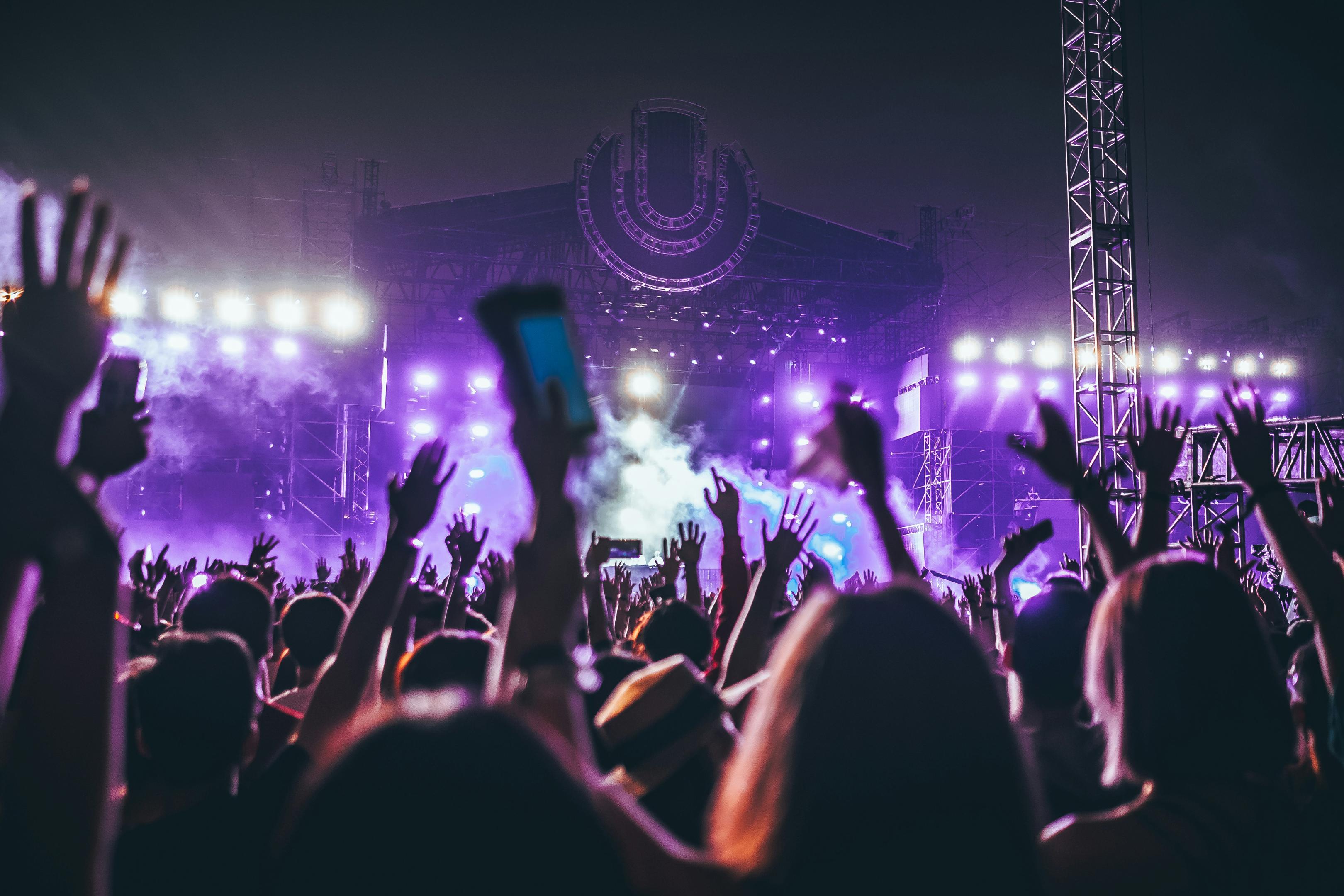
3. Streaming Platforms and Playlist Creation
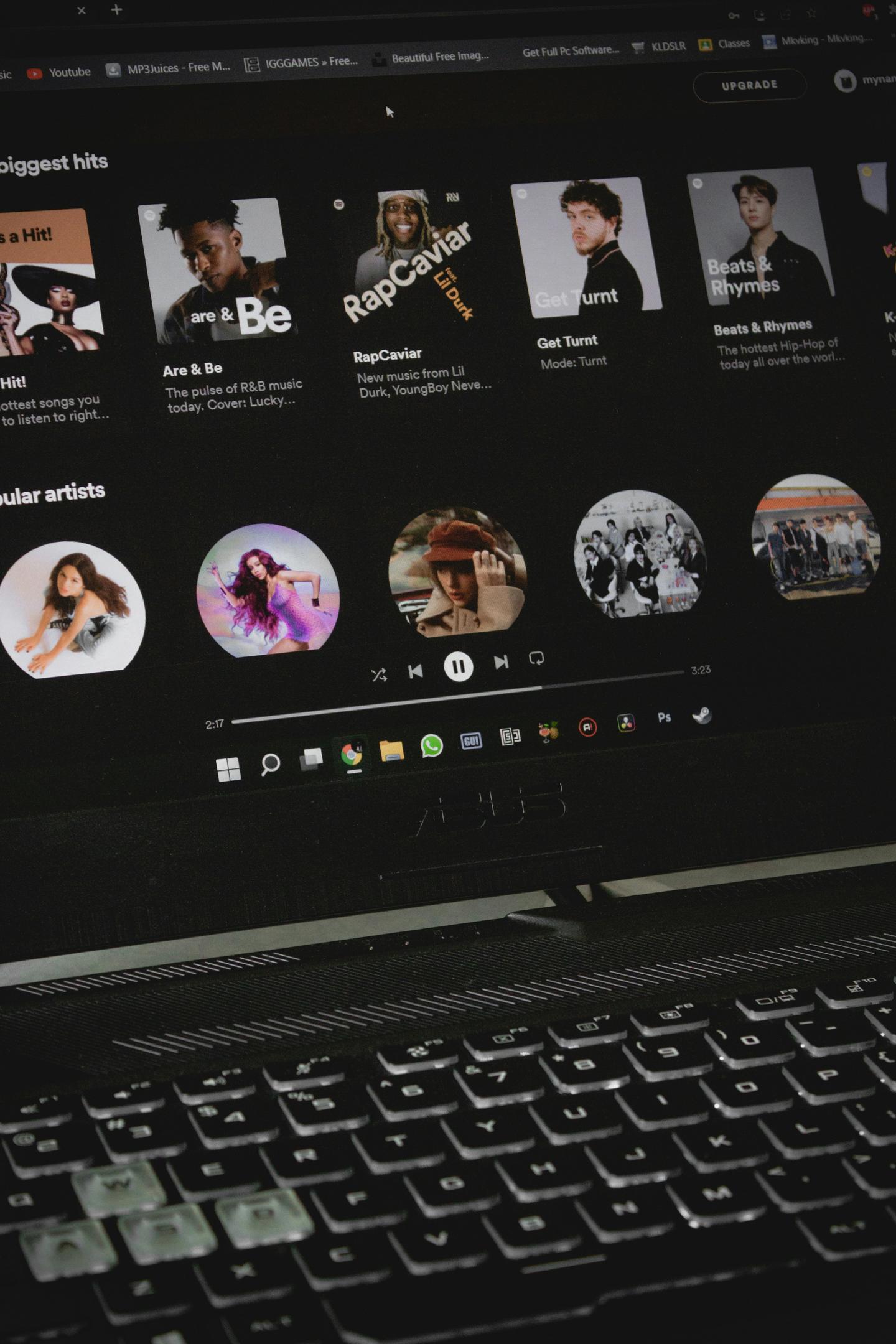
Streaming services have become the new radio stations. Artists featuring their music on platforms such as Spotify, Apple Music, and Tidal can showcase their work globally and boost streams to promote songs.
Having a strong presence on streaming platforms is a crucial strategy for an artist to gain new listeners and differentiate themselves amongst other artists in similar genres.
It's important for a musician to connect their streaming platforms and music marketing strategies in order to actively promote new music and engage their fanbase.
Creating playlists on these platforms has become highly popularized, and playlists are now the main way listeners discover new music. Emerging artists can research established playlists that fit their music genre and style, and reach out to the curators in order to pitch their newest songs to add.
Playlists can lead to music discovery and introduce listeners to music they would've never thought they would listen to. Artists who get featured on trending playlists usually skyrocket within the industry.
Live streaming is another music digital marketing strategy that blew up during the COVID-19 pandemic due to the pause of concerts and shows. Although it came to the scene within recent years, it has allowed fanbases to grow and build stronger connections between artists and fans.
Based on a case study by Fred and Augustus, live streaming has increased listener engagement for artists on a variety of streaming platforms. Live stream sales have exceeded concert ticket sales within the past 5 years by more than 16.8%.
It's also allowed artists to perform for massive audiences globally, and has given fans a chance to experience shows they may have never been able to see due to geographical reasons.
Streaming platforms are home to some of the most beloved playlists that have been curated to resonate with a range of different emotions and sounds for listeners. It promotes new engagement and creates a strong community amongst fanbases.
Without streaming platforms, music marketing would not be where it is today.
4. Social Media Platforms and Content Distribution
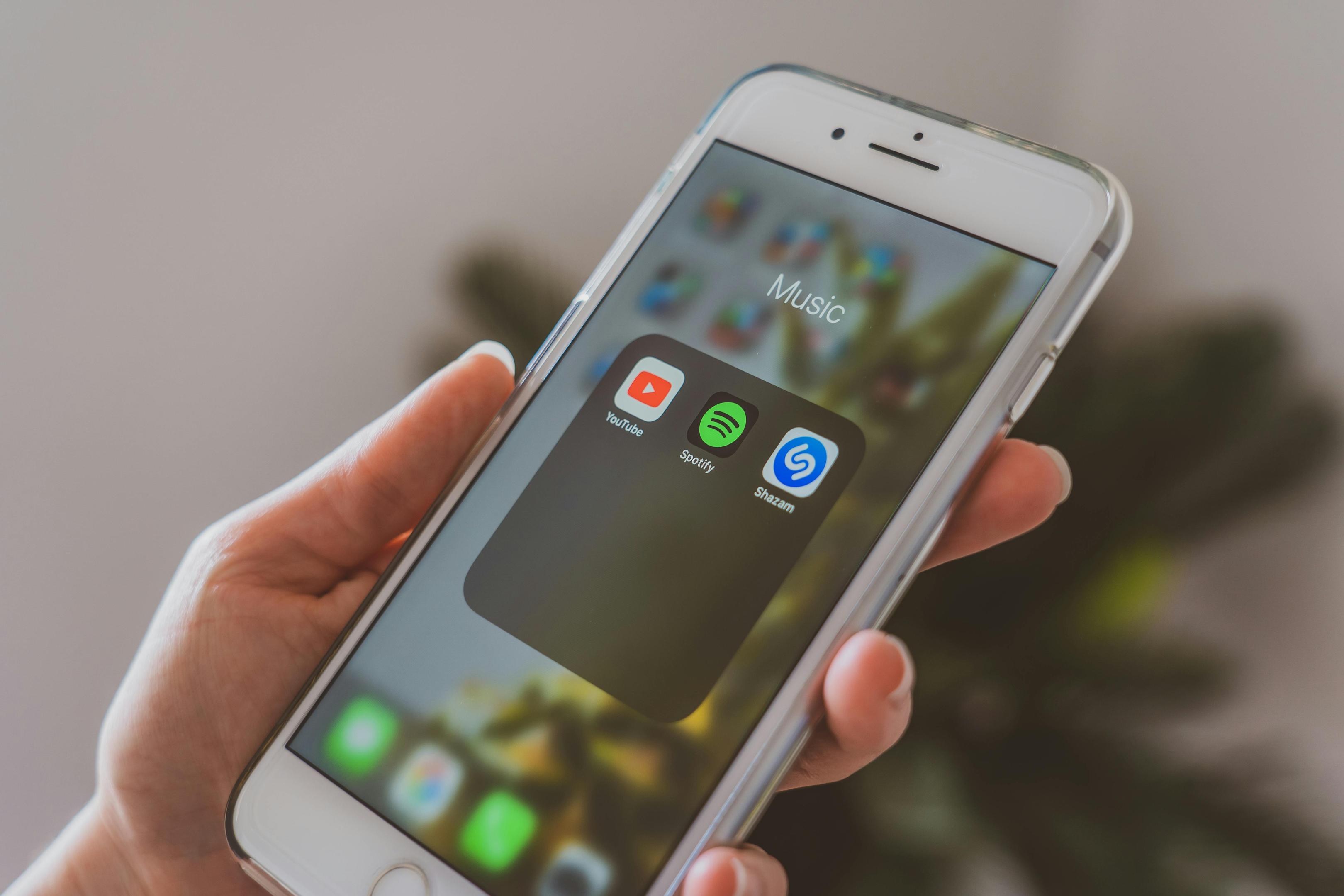
For most artists, using social media efficiently is a key part of their music digital marketing strategy. All musicians have official artist accounts on all social media platforms, and constantly update their fans about major career and music updates.
Musicians are aware of the fact that the main way people find new music is through social media, so they prioritize consistent content creation and engagement with their fanbase. Artists can create visually appealing short-form and long-form content that appeals to their fanbase and builds hype around their music.
Having a well-known presence on a variety of social media platforms and creating intriguing posts is necessary to reach a range of different audiences and demographics.
Social media insights and Google Analytics offer content metrics so artists can understand their target audience and see what resonates with their fans to advise on future marketing tactics.
Artists must also consider that not all social media marketing platforms will be relevant to their fanbase. They have to figure out which platforms their current fans are most active on, and focus on content creation where it aligns most.
It's also common for artists to partner with influencers to generate buzz about their music and reach a larger audience.
Influencers are the perfect way for artists to create a direct connection with fans because of their creative skills and audience span. They have trusting, engaged users who are easily influenced by what they say and promote, especially when it relates to pop culture and entertainment.
Influencer marketing strategies include sharing thoughts and opinions on music, creating lip-syncing and dancing videos on TikTok, and reporting on behind-the-scenes content of the artist's life.
Musicians work with influencers who align well with their target audience on social media, and those who have a genuine interest in the artist's music or genre.
Social media and user-generated content(UGC) are the newest forms of promotion within the music digital marketing industry.
5. Paid Advertising and Data-Driven Insights
Musicians create advertisements on a number of social media and streaming platforms, including Spotify, Apple Music, Amazon Music, Facebook, Instagram, YouTube, and TikTok. They must set aside a marketing budget for the distribution of paid advertising across each social channel in order to properly promote short and long-term campaigns.
YouTube is a primary platform to create ads in order to promote upcoming music videos, album releases, and tours. Ads are targeted to listeners who have shown interest in certain artists and genres.
Creating captivating video ads and targeting them to the right audience can increase the effectiveness of a campaign and drive more views, subscriptions, and fan engagement.
Spotify and Apple Music offer incomparable marketing strategies to reach music-obsessed consumers looking for the next best song.
There are a variety of digital ad overlays offered on streaming platforms, including video, audio, and interactive displays. Artists have the power to target listeners based on past listening behaviors, favored artists, and loved genres. This is to ensure they are reaching their fanbase, along with potential fans.
Social media ads are also vital to digital music marketing because they offer vast targeting capabilities. Artists can personalize ads to guarantee campaigns will be aimed at specific profiles. This strategy assures that an artist's ads will be displayed to listeners who are most likely to enjoy their music.
Artists can utilize data-driven insights to understand who connects with their music most. Google Analytics and social media insights offer a closer look into an audience's location, age, and engagement preferences.
It can also provide useful data on how audiences interact with content, common behaviors, and interests in order to adjust marketing messages for an artist's fanbase.
Paid ads are optimal strategies to use for music marketing campaigns to make sure an artist's music is heard by their fanbase and is spread amongst millions of listeners.
Key-Takeaways
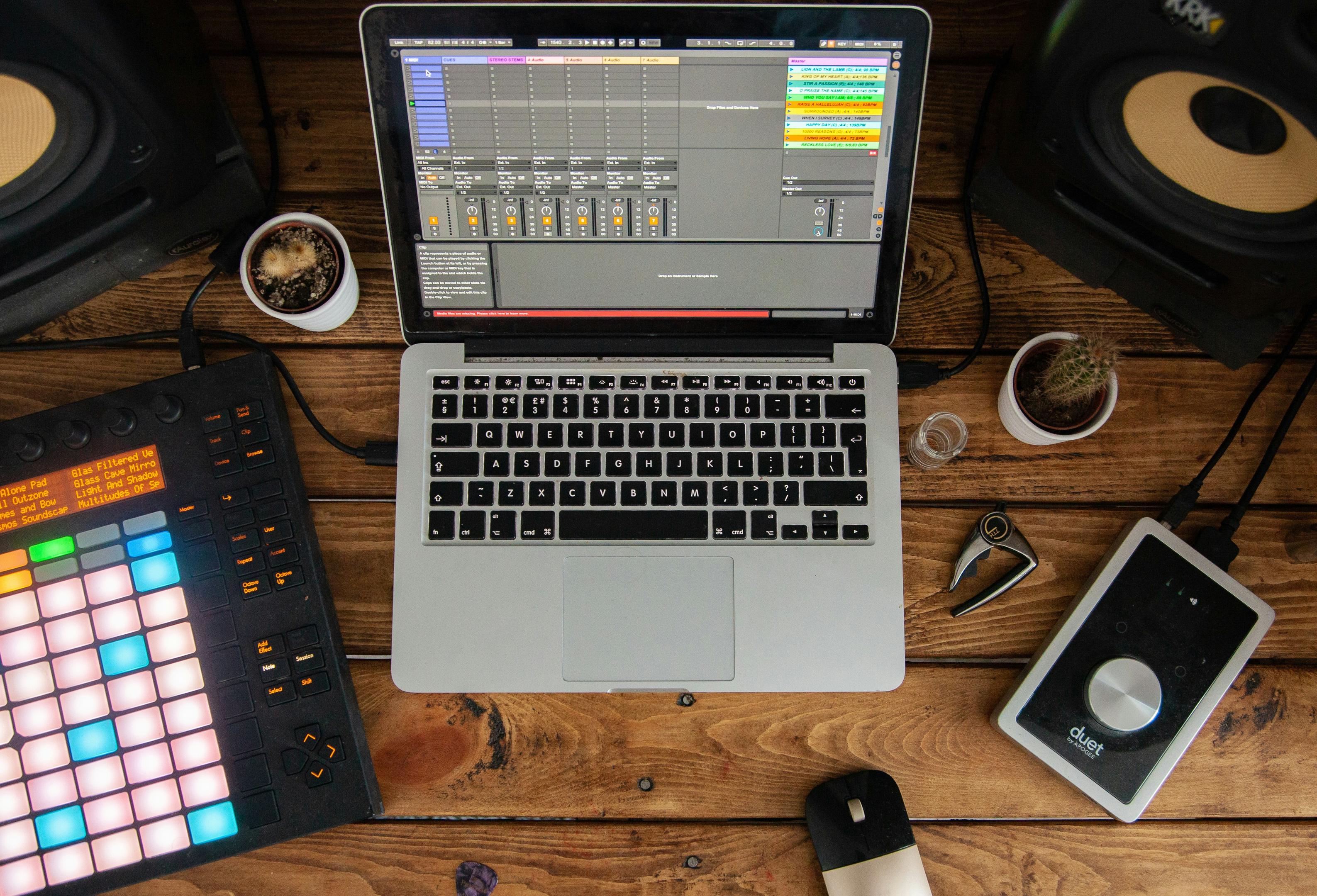
The goal of music digital marketing is to help artists grow their audience, get their music noticed, and ultimately gain fans and monetize that growth. Music marketing can magnify an artist's voice, along with the hard work they endure to become a successful artist.
Through social media and online visibility, many artists are able to delve into their creative visions by promoting new releases and albums through visually engaging content creation.
Musicians can also target their audiences through strategic ads on streaming platforms and analyze data about their listeners in order to create intriguing content for their fanbase.
In the digital world, it's essential for artists to not only make great music and build a solid fanbase but also actively market their brand and interact with listeners in order to grow within the industry.
🪽 Written by Arsema Dejene
join 50k marketing girlies
Private Marketing Girly LinkedIn Group
A private community where young women in marketing network, collaborate, and support each other.