
5 Cosmetic Marketing Strategies You Need to Know in 2026
Jul 23, 2026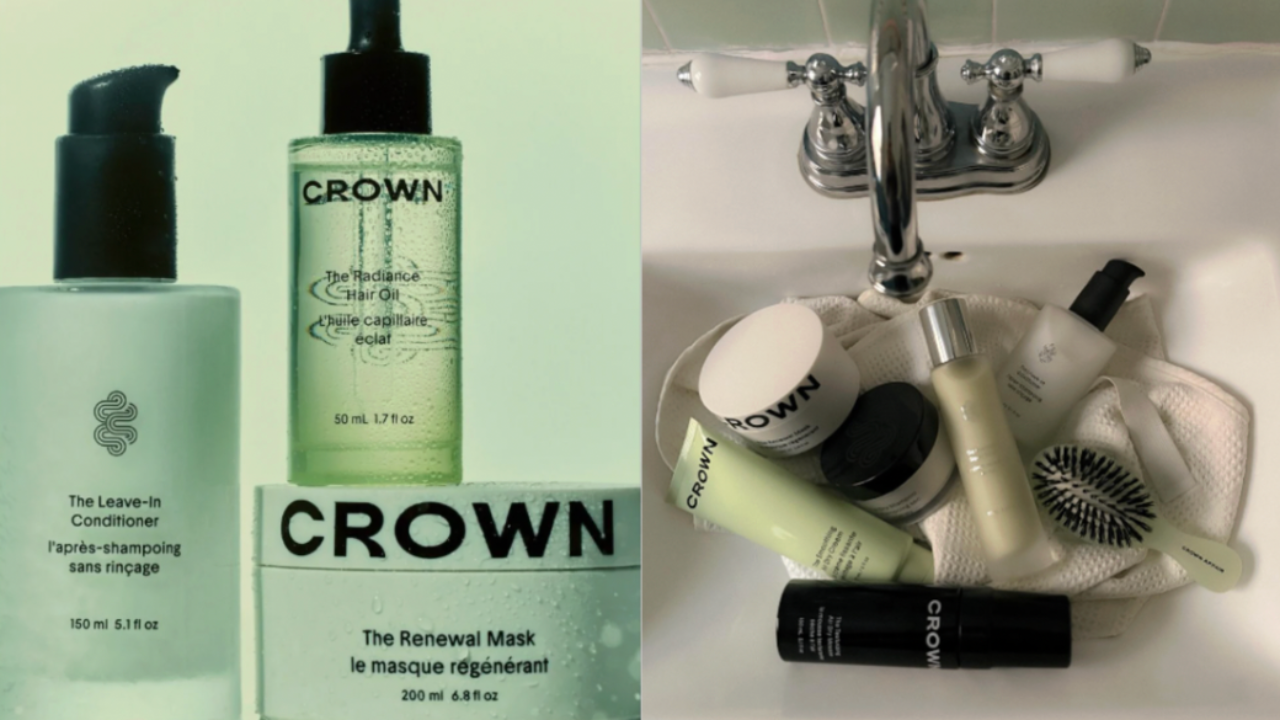
5 Beauty Brands on Our Watch List
"Marketing is no longer about the stuff you make, but about the stories you tell." by Seth Godin
That idea has never been more relevant in today's beauty industry. Consumers are no longer choosing beauty brands based on products alone. They are influenced by authentic storytelling, creator recommendations, online communities, and memorable brand experiences that build trust long before a purchase is made.
As competition continues to grow, successful cosmetic marketing strategies are shifting away from traditional advertising and toward creating meaningful relationships with consumers.
From emotional storytelling to community-first campaigns, the next generation of cosmetic marketing strategies is redefining what it means to build a successful beauty brand. Whether through viral product launches, experiential marketing, founder-led storytelling, or innovative product ecosystems, today's leading beauty brands are finding new ways to stand out in an increasingly crowded market.
These five brands are on our watch list because each demonstrates a unique approach to modern beauty marketing, proving there is no single formula for building a brand consumers genuinely want to connect with.
1. Crown Affair: Brand Confidence over Virality
As beauty brands continue to lean into creator content and UGC, Crown Affair has gone in the opposite direction. Its marketing is built around clean editorial photography, thoughtful design, and functional messaging that lets the products speak for themselves.
Instead of relying on social media influencers to prove a product works, the brand builds confidence through education and clear product benefits.
Crown Affair sells more than haircare. It has created a lifestyle centered around intentional routines and elevated self-care, making every campaign feel cohesive and instantly recognizable.
The brand describes its philosophy as "your hair, better. One ritual at a time," emphasizing thoughtful design, clean formulas, and the idea that haircare should feel like a daily ritual rather than another trend to chase. As cosmetic marketing strategies continue to evolve, Crown Affair shows that consistency, education, and a strong brand philosophy can build trust without relying on constant virality.
2. Saie: Community as the Brand
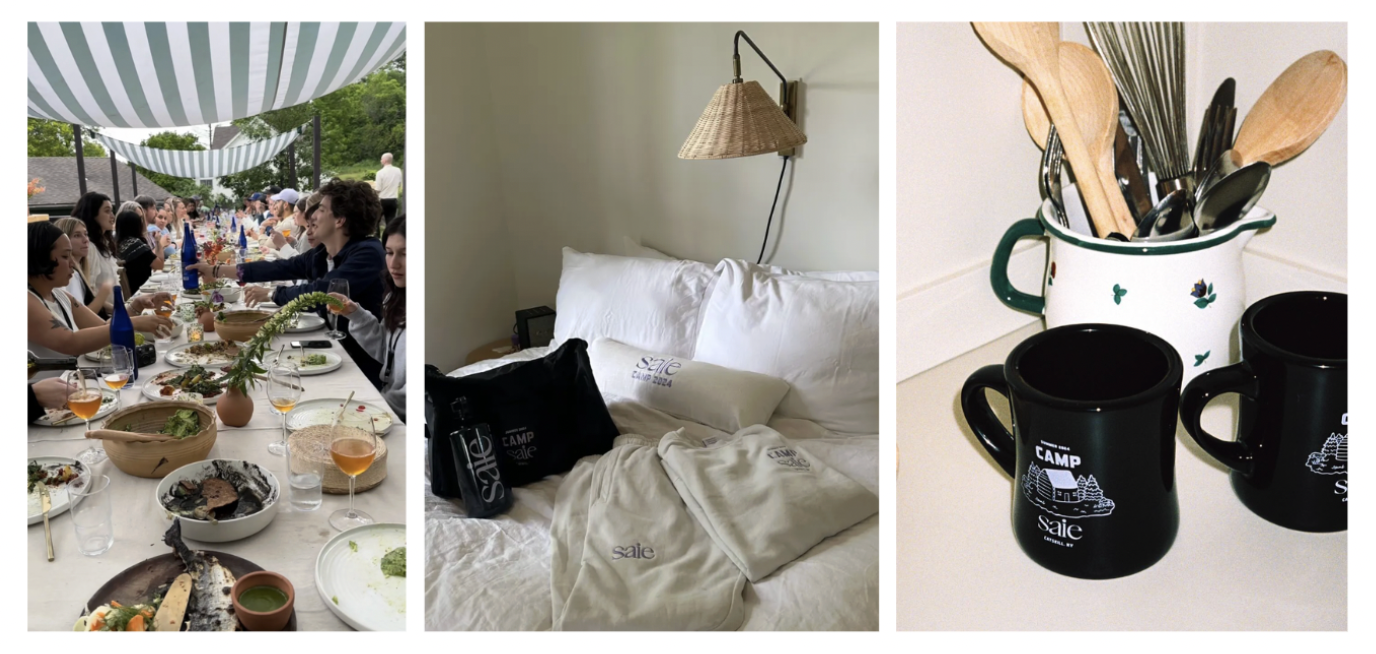
Community has become one of the most effective cosmetic marketing strategies, and Saie is proving why. Instead of making every campaign about its founder or chasing the latest viral trend, the brand focuses on creating meaningful experiences that bring people together.
Through initiatives like Camp Saie, creator events, and behind-the-scenes content featuring its team, Saie has built a brand that feels welcoming and authentic. That sense of connection has helped the brand create loyal customers who want to be part of its community, not just buy its products.
Rather than treating community as a marketing tactic, Saie has made it part of its identity. Every campaign reinforces the same message of effortless beauty, clean formulas, and genuine connection.
According to Glossy, experiences like Camp Saie have helped strengthen the brand's relationship with creators by prioritizing long-term community over singular influencer partnerships. As cosmetic marketing strategies continue to evolve, Saie shows that brands can create lasting loyalty by giving people something bigger to connect with than the product itself.
3. Phlur: Selling Emotion Instead of Product
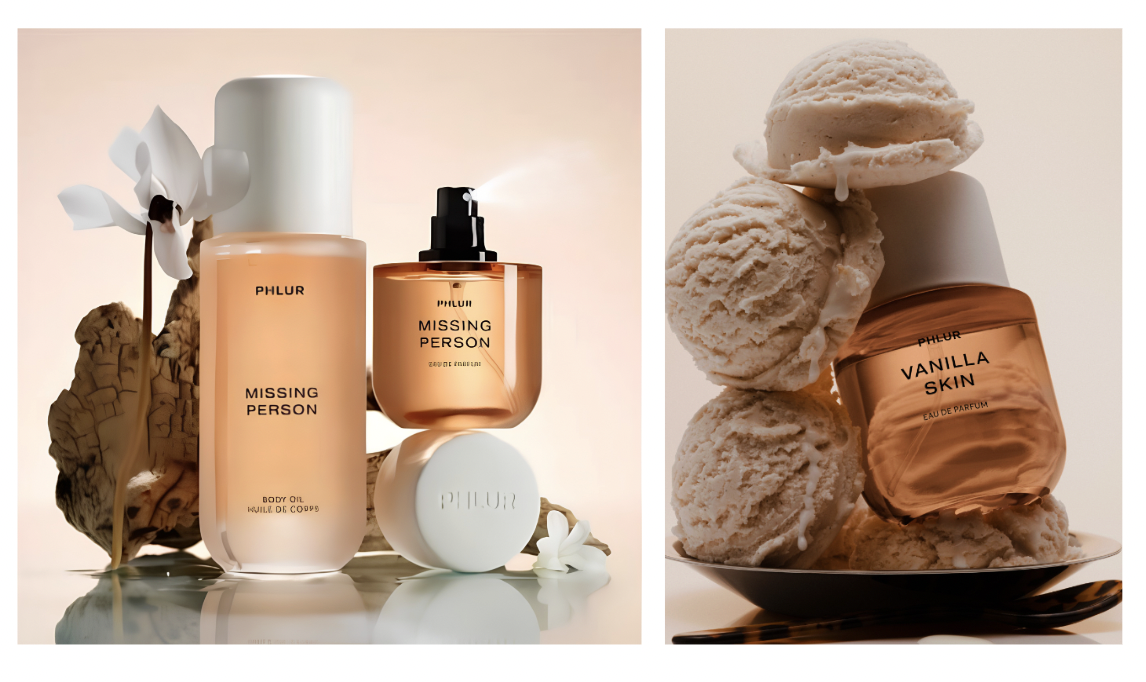
Most fragrance brands market their products by highlighting scent notes, ingredients, or how long a perfume lasts. Phlur has taken a different approach by turning fragrance into an emotional experience.
Instead of asking consumers to imagine how a perfume smells, the brand tells stories about memory, relationships, and personal moments. Its bestselling fragrance, Missing Person, became a viral success because it tapped into feelings of nostalgia and emotional connection rather than focusing solely on the product itself.
This approach reflects a larger shift in cosmetic marketing strategies, where consumers are drawn to the feeling a product creates instead of its features alone. Founder Chriselle Lim has openly shared the personal experiences that inspired the brand's storytelling, helping consumers connect with the products on a deeper level.
As cosmetic marketing strategies continue to evolve, Phlur shows that emotional storytelling can be just as memorable as the product itself, turning a fragrance into an experience people want to be part of.
4. EADEM: Filling a Gap in the Market
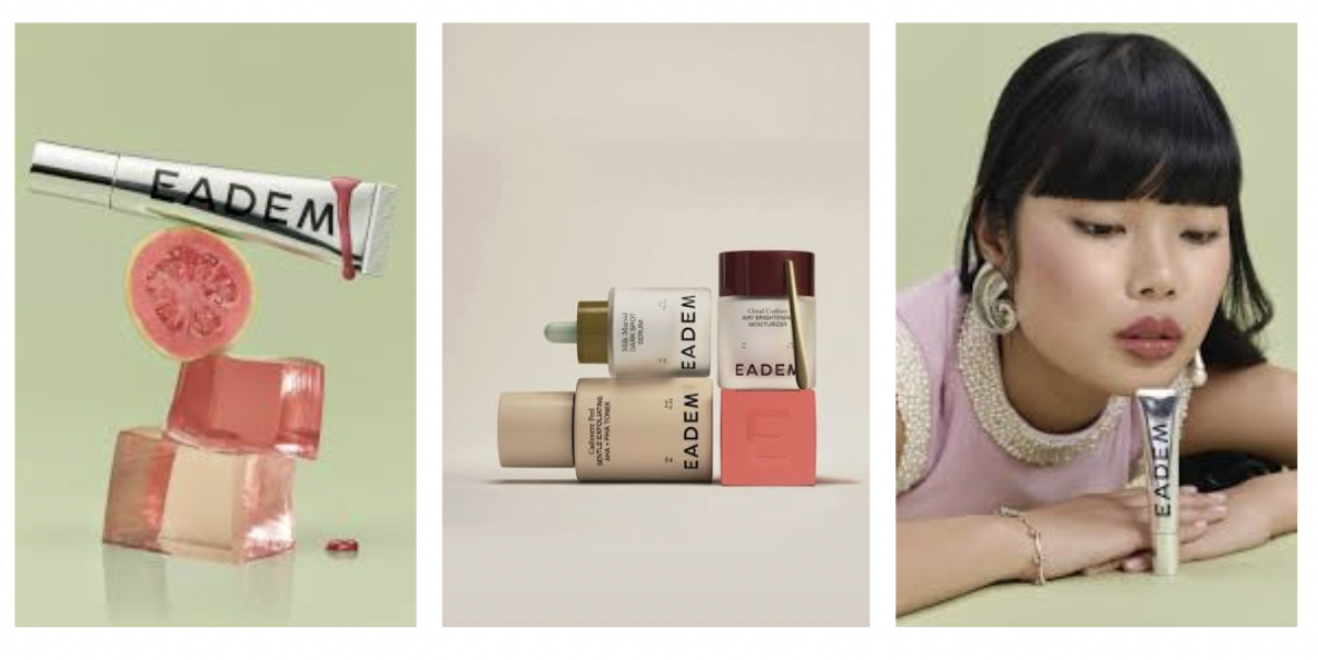
Instead of creating products for the broadest possible audience, EADEM has built its brand around solving a problem that has long been overlooked. The founders recognized that many skincare products failed to consider how melanin-rich skin responds to common concerns like hyperpigmentation.
By developing formulas specifically designed for these consumers, EADEM has filled a gap in the market while building trust through education, transparency, and thoughtful product development.
This customer-first approach has become one of today's most effective cosmetic marketing strategies. Rather than expanding its message to appeal to everyone, EADEM has strengthened its brand by staying focused on a clear mission and serving its community well.
As more beauty brands compete for attention, EADEM proves that solving a real consumer problem can create stronger brand loyalty than following the latest trend. It's a reminder that some of the most successful cosmetic marketing strategies start with understanding a specific audience before trying to reach a larger one.
5. Summer Fridays: Extending the Life of a Viral Product
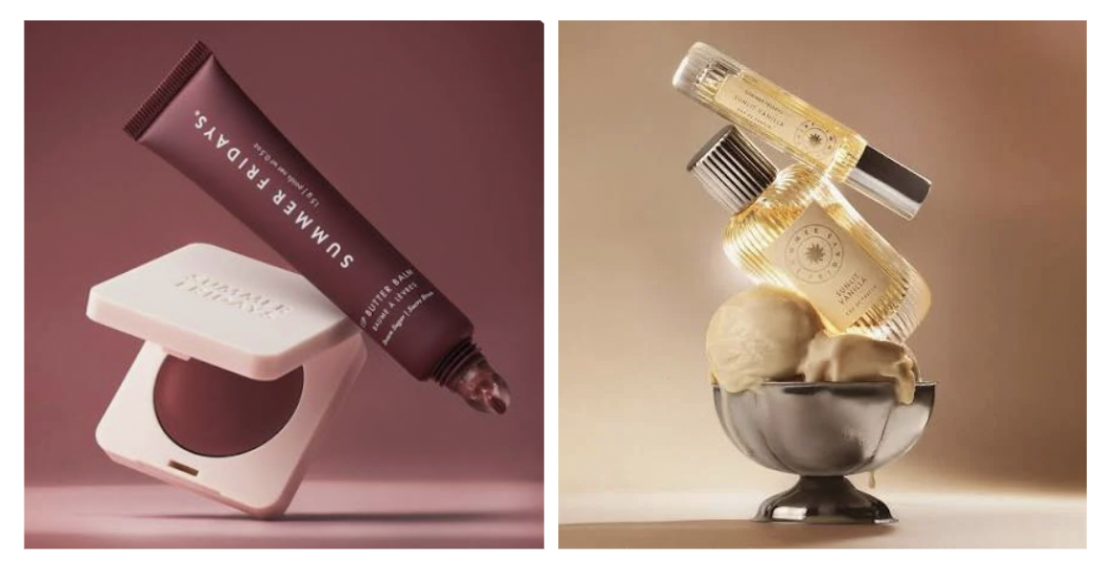
Many beauty brands chase the next viral product, but Summer Fridays has focused on getting more value out of the one consumers already love. Instead of treating the Lip Butter Balm as a one-time success, the brand has continued building around it. After the balm's flavors became a social media favorite, Summer Fridays launched Sunlit Vanilla Eau de Parfum, inspired by one of its most popular scents.
More recently, the brand introduced blush shades designed to pair with its bestselling lip balms, giving customers another reason to revisit products they already know and love.
This strategy has become one of today's most effective cosmetic marketing strategies because it builds on existing brand loyalty instead of constantly starting from scratch.
By expanding a product consumers are already emotionally connected to, Summer Fridays keeps the conversation going long after the original launch. As cosmetic marketing strategies continue to evolve, the brand proves that extending the life of a successful product can create just as much excitement as introducing something entirely new.
Where Cosmetic Marketing Strategies Are Headed
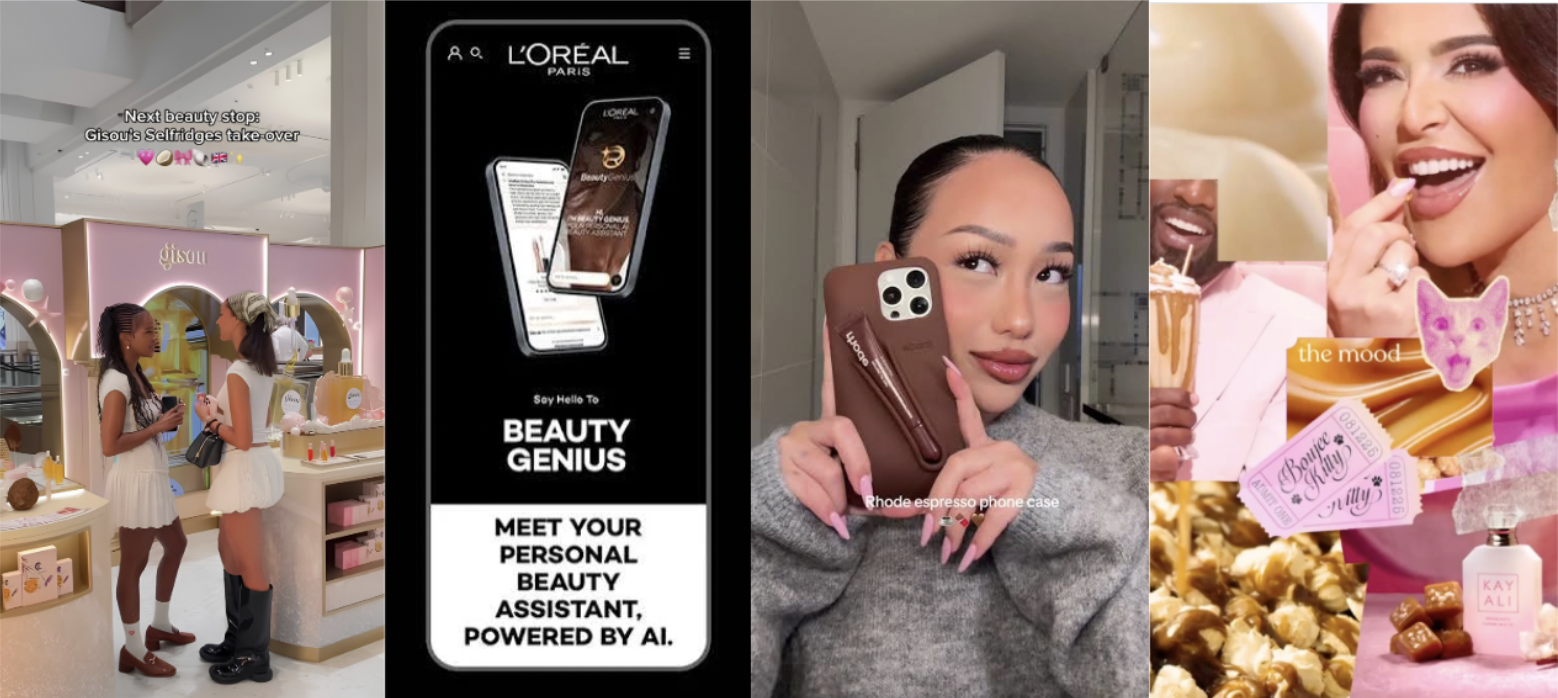
The beauty industry is entering a new era where consumers expect brands to deliver more than great products. The next generation of cosmetic marketing strategies will focus on creating experiences that feel personal, shareable, and community-driven.
Rather than relying on celebrity endorsements or highly polished advertising, brands are investing in authentic creator partnerships, user-generated content, and cultural moments that encourage consumers to become part of the conversation. TikTok has accelerated this shift, allowing trends to shape product launches, marketing campaigns, and even long-term brand positioning.
Technology is also reshaping how beauty brands connect with consumers. Artificial intelligence is making product discovery more personalized by recommending products based on purchase history, skin concerns, preferences, and individual needs.
At the same time, brands are placing greater emphasis on sensory experiences through innovative textures, thoughtful packaging, and products designed to be photographed and shared online. Packaging is no longer just functional—it has become part of the product experience and, in many cases, a marketing asset in its own right.
Perhaps the biggest shift is that consumers are buying into brands with a clear identity and point of view. Successful cosmetic marketing strategies are becoming less about selling a single product and more about building communities, creating memorable brand activations, and developing products that naturally extend successful franchises.
The brands that continue to lead the industry will be those that create lasting emotional connections while adapting quickly to changing consumer behavior.
Final Thoughts
The future of beauty marketing isn't about chasing every trend or creating the loudest campaign. It's about building a brand with a clear point of view and giving consumers something they genuinely want to connect with.
Whether through storytelling, community building, innovation, experiential marketing, or product expansion, the most successful cosmetic marketing strategies create lasting relationships, strengthen brand loyalty, and deliver value far beyond the initial purchase.
As the beauty industry continues to evolve, cosmetic marketing strategies will be shaped by changing consumer behavior, emerging technology, and brands that are willing to think differently.
The five beauty brands featured in this article demonstrate that there is no single formula for success. Instead, the brands leading the industry are those that create meaningful experiences, build authentic communities, and consistently deliver on their brand promise.
Marketers should keep these brands on their watch list because today's emerging ideas and cosmetic marketing strategies often become tomorrow's industry standard.
🪽 Written By Trisha Raman
join 45k marketing girlies
Private Marketing Girly LinkedIn Group
A private community where young women in marketing network, collaborate, and support each other.