

3 Self-Care for Burnout Tips: How to Prioritize Mental Wellbeing
Jul 22, 2026
Today, younger generations are suffering high rates of burnout.
Research has revealed a statistic displaying an estimate of 80% of young adults experience burnout. It's common to underestimate burnout as stress. Some don't realize it until they begin to see the negative impacts on their daily lives.
Many people hold the belief that burnout happens only in a workplace. In reality, burnout is a common obstacle in today's fast paced society.
Burnout goes beyond being tired, harming individuals' quality of life, affecting their mental and physical health, relationships, and motivation.
Burnout develops due to extensive stress in different parts of people's lives, from personal to work related pressures.
Signs to Identify Burnout
It is important to understand how burnout can present itself in individuals' lives. The following are the some of the most recognizable symptoms when someone is experiencing burnout.
-
Chronic Fatigue despite being well rested
-
Lacking motivation in things that once brought fulfillment
-
Having trouble staying focused in class sessions, meetings, or trainings
-
Carrying external stresses into personal environments
-
Increased irritability with minor inconveniences that feel major
-
Feelings of helplessness and detachment from loved ones
How to Prioritize Mental Wellbeing
Of course, there is a limit to what people can control and at times mental exhaustion is inevitable. Luckily, as supported by psychologists, burnout is often preventable. Further are some helpful and easily implementable self-care for burnout prevention tips everyone will want to know to combat burnouts uncomfortable symptoms.
Tip #1: Establishing Boundaries
People tend to hear about the value of "setting boundaries" especially when it comes to others. Yet at times it is much easier to do it with others, and forget to apply them in their own needs. Finding a way to do so will help individuals to focus better in the present moment. Each person needs to draw a clear line between their professional and personal life.
-
Resist overworking late into the night. Being well rested will take people much farther than attempting to "push through". Working drowsy usually elongates time for completion and mental effort used.
-
Limit the unnecessary after hours communication. Limit how much of one's profession seeps into their personal life. In one's personal life people often find themselves mentally returning to their work. May or may it not be that they are going through a stressful moment, this takes away from their energy and peace of mind.
It is important to not only know how to say "no" to others, but also to oneself, and set healthy limits. It helps people engage more efficiently in their rest, activities that recharge them, and helps in nurturing relationships.
Tip #2: Implementing a Self Care Routine
The rule of 42 is an indicator of the amount of time individuals should spend recharging. This is about 10 hours per day of rest and recovery. There's a common belief that deep breathing exercises are the solution to burnout. Yet most people never get to it taking into account the fast paced society everyone functions in. They're great for calming the nervous system, but definitely won't be the miracle cure.
Prioritizing self-care for burnout prevention is not taking 3 hours from the day to go to yoga class. Unless it is stimulating to their mental well being, of course. There are effective self care practices people can add into their daily life to strengthen their physical and emotional health.
-
Get enough sleep. 8 hours is the optimal time to prevent burnout. Add or remove one hour (7 to 9 hours) depending on personal preference. Manage to routinely get the same amount of sleep, if it is 7 hours, try to sleep the same 7 hours nightly.
-
30 minutes of "sanity chunks" throughout the day.
-
Regular exercise
-
Social time
-
Stress reducing conversation with a close one
-
30 minutes to do something personally meaningful
-
-
Adopt a balanced diet. Set apart time to mindfully plan meals. What one eats impacts their daily performance immensely. Try incorporating a mix of protein, grains, vegetables, and fruits in a daily diet.
Of course every day is different, and people cannot predict what each one will bring. Still, everything comes easier when people work on taking care of themselves. This is reflected in their energy, focus, and ability to manage stress.
Organizing one's busy schedule to not view rest as a luxury, but as a necessity should be a main priority. Practicing the right strategies that reduce emotional stress and improve one's overall well being, helps people connect with the best version of themselves,

Tip #3: Practicing Mindfulness
When people don't pay attention to burnout they experience, it can push them into emotional and mental exhaustion. It's essential for mental health to keep in mind that each person is in control of their own lives.
-
Practice gratitude. A significant part of what feeds burnout falls upon the mental ability to control perspectives. Especially how one perceives and responds to different circumstances. Attempt to focus on the things that one appreciates and values most from their life. A positive mindset during self-care for burnout helps protect mental well being.
-
Connect with those who make one happiest. An article in The Guardian explains, "Positive reconnections help people change their perspective on the work environment“. Often they give people clarity, allowing them to look at obstacles differently and overcome them more effectively.
-
Rediscover one's purpose. When people reach a state of burnout they've often lost or forgotten their purpose, which may lead to feeling inadequate and a pessimistic mindset. The term "purpose" in this sense refers to the meaning and direction people live their lives which encapsulates everything from how they envision their career path, to their desire for personal growth. Lacking a sense of purpose will increase feelings of burnout. A crucial part of self-care for burnout prevention involves reflecting on the positive aspects of one's ambitions. They motivate, push them forward, and also reduce feelings that damage self awareness.
Impacts of Burnout Beyond Ourselves

Often the people choosing to ignore their burnout are not the only ones who feel the secondary effects. Those around them that are most empathetic to their feelings such as family members are also vulnerable. Ignoring the steps one should take in self-care for burnout makes it so those around them can experience compassion fatigue. They may feel a need to help, but find themselves powerless to do so. Compassion fatigue in individuals can reflect similar symptoms observed in burnout. Including feeling emotionally drained, disrupted sleep, and irritability.
It's possible to reduce stress and chronic exhaustion by engaging in self care activities and seeking support. People reach burnout when they've taken on too much and begin feeling overwhelmed. At times they may adopt the mentality to fix things on their own or not bother others with their problems.
This take on such a circumstance can be just as harmful to those that care about them. Turning to a mental health professional is a valid option if social support is not comforting to them. Specialists can provide help in stress management and reducing the physical symptoms experienced. Especially if using self care strategies on their own is not being helpful to their symptoms.
Summary
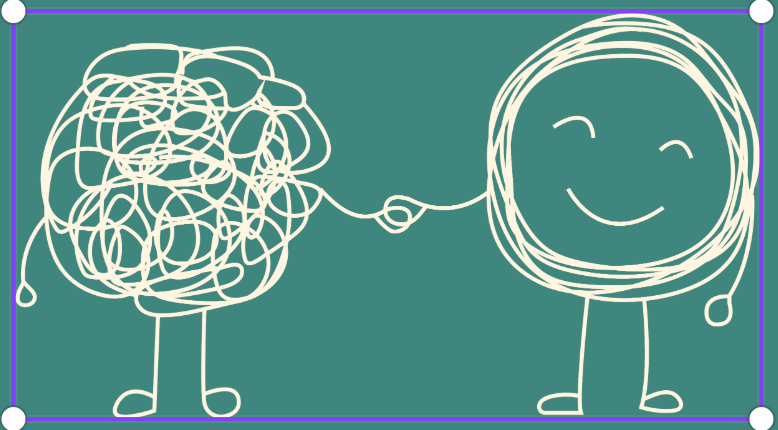
At times people take on more than they can handle, not only for their own achievements but often for approval from those around them. It is easy to cause exhaustion when pushing one's limits assuming it's part of their social responsibility.
Usually, this comes from thinking about their future or even family responsibilities. Taking on more than one person can handle tends to drive them to exhaustion, producing burnout from their career, school, life events, or unrealistic expectations they may hold over themselves.
All incredibly common in today's performance driven society. Practicing self care is an important task for mitigating stress, improving quality of life, and also helps foster resilience.
When encountering burnout symptoms, there are self-care for burnout practices that are easy to apply within one's day to day.
Such as establishing boundaries, implementing a self care routine, and practicing mindfulness to reduce them. Putting feelings of burnout to the side not only causes damage to their personal wellness but can impact the welfare of those closest to them.
When experiencing burnout one must take action instead of simply sitting quietly. They should overcome their difficulties whether it is independently, or with the help of another.
It's important to prioritize well being so one can live their daily life through their full potential, and learn to see challenges as opportunities for growth with a healthy, forward looking perspective.
🪽 Written by Katherine Gaviria Velez
join 50k marketing girlies
Private Marketing Girly LinkedIn Group
A private community where young women in marketing network, collaborate, and support each other.